











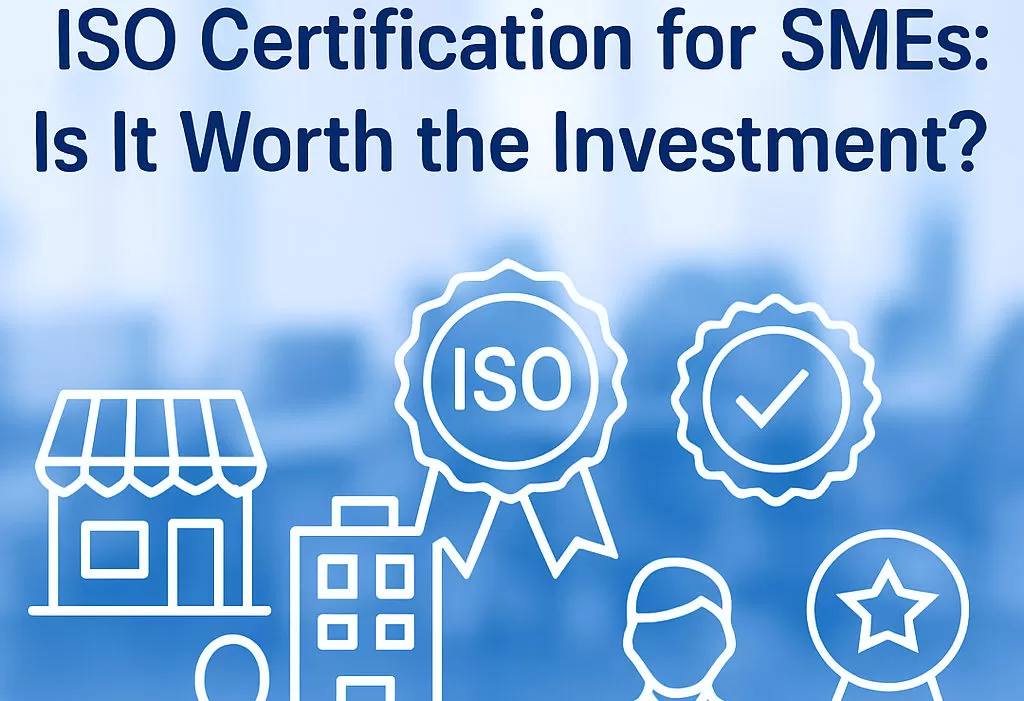
ISO certification is often associated with large corporations, but small and medium-sized enterprises (SMEs) can also benefit greatly from obtaining ISO certification for SMEs.
In fact, ISO standards can provide SMEs with a competitive edge, enhance their operational efficiency, and improve customer satisfaction. In this article, we’ll explore what ISO certification is, how it applies to SMEs, and whether it’s worth the investment.
What is ISO Certification?
ISO (International Organization for Standardization) certification is a globally recognized accreditation given to businesses that meet the required standards in various areas such as quality management, environmental management, health and safety, and information security.
The certification process involves an audit by an accredited body to ensure that a business meets the standards outlined by ISO.
There are several ISO standards that businesses can pursue, but the most common ones are:
ISO Certification For SMEs, obtaining any of these certifications can lead to numerous benefits, particularly in terms of improving internal processes, gaining a stronger market position, and meeting regulatory requirements.
Why Should SMEs Consider ISO Certification?
1. Enhancing Operational Efficiency
One of the most significant benefits of ISO certification for SMEs is the improvement in operational efficiency.
ISO standards, particularly ISO 9001 for quality management, provide a framework for businesses to streamline their operations. By adopting standardized processes, businesses can eliminate inefficiencies, reduce waste, and improve the consistency of their products or services.
For SMEs that may struggle with limited resources, ISO certification helps ensure that resources are used more effectively and that processes are optimized. This can lead to cost savings, improved productivity, and better overall performance.
2. Improving Customer Satisfaction
Customer satisfaction is at the core of any successful business, and ISO certification for SMEs can significantly enhance this aspect.
ISO 9001, for example, focuses on quality management and emphasizes the importance of understanding and meeting customer requirements. When a company is ISO-certified, it demonstrates its commitment to delivering consistent quality, which builds trust with customers.
For SMEs, customer satisfaction is critical for retention and growth. ISO certification for SMEs helps ensure that they consistently meet customer expectations, leading to stronger customer loyalty and positive word-of-mouth recommendations.
3. Gaining Competitive Advantage
In today’s competitive business environment, standing out from the crowd is essential, especially for SMEs. ISO certification can provide a distinct competitive advantage.
Many businesses, particularly large corporations, prefer to work with ISO-certified suppliers and partners because it guarantees a certain level of quality and reliability.
ISO certification for SMEs can open doors to new business opportunities. By becoming ISO-certified for SMEs can differentiate themselves from competitors who may not have such credentials, positioning themselves as more reliable and trustworthy in the eyes of potential clients and partners.
4. Access to New Markets
ISO certification is recognized globally, making it easier for businesses to enter new markets. For SMEs looking to expand their operations internationally, ISO certification can provide the necessary credibility to gain acceptance in foreign markets.
Many international clients require their suppliers to meet ISO standards as a condition of doing business. Therefore, obtaining ISO certification can serve as a gateway for SMEs to enter global markets, access new customers, and broaden their business horizons.
Moreover, ISO-certified businesses often find it easier to obtain contracts and bids, particularly in industries such as construction, manufacturing, and procurement, where quality and compliance are crucial.
5. Compliance with Legal and Regulatory Requirements
SMEs are often required to comply with local and international regulations. For instance, ISO 14001 helps businesses meet environmental regulations, while ISO 45001 focuses on health and safety laws. ISO certification for SMEs can help stay compliant with relevant legal and regulatory requirements, reducing the risk of penalties or fines.
By ensuring compliance, ISO certification helps SMEs avoid legal issues and protects their reputation in the industry.
It also demonstrates to customers, investors, and regulatory bodies that the company is committed to operating ethically and within legal boundaries.
Is ISO Certification for SMEs Worth the Investment?
The Costs of ISO Certification
While the benefits of ISO certification are clear, it’s important to consider the costs involved. For many SMEs, the investment in ISO certification may seem daunting. The costs of certification typically include:
While these costs can be substantial, it’s important to remember that ISO certification is an investment in the long-term success of your business.
The improvements in efficiency, customer satisfaction, and market access often outweigh the initial expenses.
Return on Investment (ROI) from ISO Certification
To determine if ISO certification for SMEs worth the investment, SMEs should consider the return on investment (ROI) over time. While the initial costs can be significant, the long-term benefits are substantial:
Overall, the ROI of ISO certification for SMEs is often high, especially when businesses take a strategic approach and ensure that they are using the certification to its full potential.
Read More About the Top 10 Benefits of ISO Certification for Oil And Gas Companies
How to Make the Most of ISO Certification
To maximize the benefits of ISO certification, SMEs should adopt a proactive approach. Here are some tips on how to make the most of ISO certification for SMEs:
1. Engage Employees Early
Employees play a key role in the success of ISO certification. Engaging them early in the process helps ensure that everyone is on board with the changes and understands the importance of ISO standards. Offering training and support can foster a culture of continuous improvement and make it easier to implement the necessary changes.
2. Integrate ISO Standards into Everyday Operations
ISO certification should not be seen as a one-off achievement but rather as an ongoing commitment to excellence. SMEs should integrate ISO standards into their everyday operations to ensure continuous compliance and improvement. Regular internal audits, management reviews, and process evaluations can help identify areas for improvement and ensure that the company remains on track.
3. Leverage Certification for Marketing and Business Development
Once ISO-certified, SMEs should leverage their certification to promote their business and attract new customers. Highlighting ISO certification in marketing materials, on the website, and during client meetings can help build trust and credibility with potential customers. It also makes it easier to apply for tenders or bids that require ISO certification.
4. Monitor Performance and Set Goals
ISO certification is an ongoing process. SMEs should continuously monitor their performance, set new goals, and look for ways to improve. By focusing on quality, customer satisfaction, and operational efficiency, SMEs can ensure that they continue to reap the benefits of their ISO certification.
Read Also :
Conclusion
ISO certification offers numerous advantages for SMEs, including improved efficiency, enhanced customer satisfaction, increased market access, and greater compliance with regulations. While the initial investment may seem significant, the long-term benefits often outweigh the costs. By obtaining ISO certification, SMEs can gain a competitive edge, differentiate themselves in the marketplace, and lay the foundation for long-term success.
For SMEs looking to expand their reach, improve their operations, and meet global standards, ISO certification is definitely worth the investment. By strategically leveraging the certification and integrating it into daily operations, SMEs can ensure that they continue to grow and thrive in an increasingly competitive and regulated business environment.