










The Testing, Inspection, and Certification (TIC) industry is on the brink of a technological and strategic transformation. As businesses prepare for 2025, emerging innovations like AI-powered inspection systems, IoT-driven real-time monitoring, and
sustainability certifications are reshaping compliance processes, operational efficiency, and stakeholder trust. Let’s explore the top trends defining the future of inspection and certification and how they’re creating opportunities for growth.
1. AI-Powered Inspection Systems
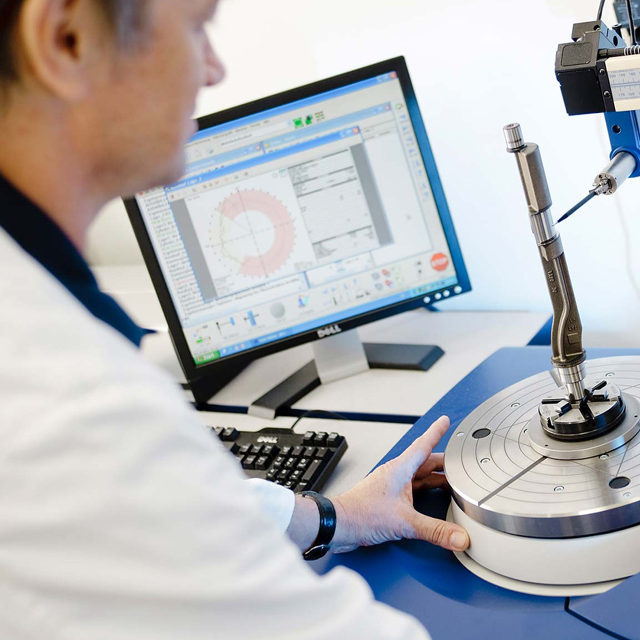
Artificial intelligence revolutionizes inspections, offering unmatched speed and precision in identifying defects and analyzing compliance data.
AI-powered systems are particularly beneficial for manufacturing, construction, and logistics industries, where safety and quality are non-negotiable.
Key Advantages:
- Enhanced Accuracy: AI systems are adept at detecting defects or irregularities, significantly reducing the likelihood of human error.
- Faster Compliance Audits: Automated processes streamline certification workflows, delivering quicker results without compromising quality.
- Cost Savings: Predictive maintenance powered by AI prevents equipment failures, saving businesses from costly downtime.
By integrating AI-powered certification tools, organizations are improving inspection outcomes and staying ahead of their competition in a fast-paced market.
2. IoT and Real-Time Monitoring
The Internet of Things (IoT) is enabling real-time monitoring of assets, transforming how industries approach safety and compliance. Smart sensors and IoT devices continuously collect and analyze data, providing actionable insights that enhance decision-making.
Applications in Inspection:
- Infrastructure Monitoring: IoT sensors embedded in bridges and pipelines detect stress or wear, ensuring safety before major repairs are needed.
- Food Safety Compliance: Smart devices monitor temperature and humidity in transit, maintaining freshness and reducing waste.
- Energy Efficiency: Real-time monitoring helps industries optimize energy use, aligning with sustainability goals.
IoT-driven inspection processes help businesses move from reactive to proactive strategies, ensuring compliance while reducing risks and costs
3. Sustainability Certification as a Business Imperative
Sustainability is no longer a choice—it’s an expectation. Certifications like ISO 14001 for environmental management and ISO 50001 for energy efficiency are now critical for companies looking to meet regulatory standards and align with customer values.
Growing Trends:
- Carbon Neutrality Certification: Companies are seeking certifications to showcase their commitment to reducing emissions and achieving net-zero goals.
- Circular Economy Standards: Businesses are adopting practices that minimize waste and reuse materials, gaining recognition through circular economy certifications.
- Green Supply Chains: Certifications are ensuring sustainable practices across entire supply chains, boosting trust and transparency.
Achieving sustainability certifications not only satisfies regulatory requirements but also enhances a company’s reputation, helping attract environmentally conscious clients and investors.
4. Digital Transformation in Certification Processes
Digital transformation tools are redefining how inspections and certifications are conducted. From blockchain technology ensuring secure and tamper-proof data to e-certification platforms simplifying documentation, digitalization is driving efficiency and transparency.
Innovations to Watch:
- Blockchain in Certification: Blockchain technology provides secure, immutable records of certification data, particularly useful in supply chain audits.
- Digital Twins: These virtual replicas of physical assets allow for remote inspections, reducing travel expenses and improving safety.
- E-Certificates: Paperless certification processes save time, reduce errors, and promote sustainability.
Digital transformation isn’t just about faster processes—it’s about building trust with clients through greater transparency and data security.
5. Cybersecurity Certification for Enhanced Trust
With the rise of data breaches and cyberattacks, protecting sensitive information has become a top priority for businesses worldwide. Certifications like ISO 27001 for information security are critical in demonstrating a company’s commitment to safeguarding digital assets.
Key Focus Areas:
- Cloud Security: Certifications ensure the safety of data stored in cloud environments, a necessity for modern business operations.
- Supply Chain Cybersecurity: Verifying third-party vendors and ensuring they meet strict security protocols is essential to maintaining a secure supply chain.
- Operational Technology Security: Protecting industrial systems and equipment from cyber threats reduces downtime and ensures compliance.
Cybersecurity certifications assure clients and partners, helping businesses build trust in an increasingly digital world.
Preparing for the Future of Inspection and Certification
As we move into 2025, businesses that embrace these trends will be better positioned to navigate the complexities of compliance, customer expectations, and technological advancements. Whether it’s adopting AI-powered inspection systems, leveraging IoT for real-time monitoring, achieving sustainability certifications, or
enhancing cybersecurity measures, the opportunities for growth are endless.
The future of the TIC industry is proactive, innovative, and deeply connected to global priorities like sustainability and digital security. By staying ahead of these trends, organizations can ensure compliance, foster trust, and gain a competitive advantage in the market.
Are you ready to embrace the future of inspection and certification? Stay informed, adapt, and lead the way in 2025 and beyond.
Conclusion
As we approach 2025, the inspection and certification industry is at the forefront of innovation and opportunity. Trends like AI-powered inspections, IoT-driven monitoring, sustainability certifications, digital transformation, and enhanced cybersecurity measures are shaping the future, offering businesses new ways to improve efficiency, ensure compliance, and build trust.
By embracing these advancements, organizations can stay competitive, reduce risks, and align with global priorities like sustainability and digital security. The key to thriving in this evolving landscape is adaptability and a proactive approach to integrating these transformative solutions.
The future of inspection and certification isn’t just about compliance—it’s about driving progress and setting new benchmarks for excellence. Let’s prepare to seize the opportunities ahead.